

Thrift stores are not dumping grounds: Shoddy Goods 082
Why 90% of donations never make it to the shop floor
For thrift stores, the beginning of the year can be the best of times (all those post-holiday donations) and the worst of times (all those post-holiday donations). Jason Toon here. This edition of Shoddy Goods, the newsletter about consumer culture from Meh, is a call for a bit of thoughtfulness when passing on your unwanted stuff.
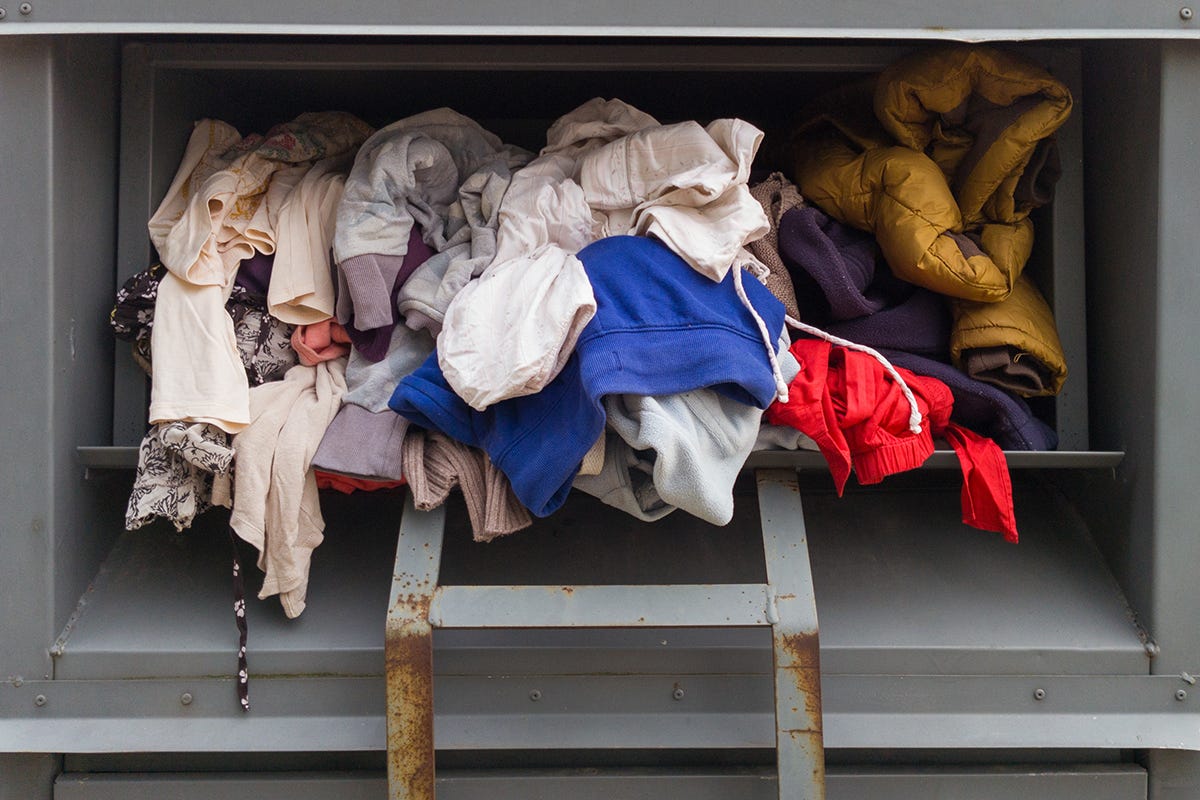
My teenage daughter recently did a big clean-out of her room that was less like housework than an archaeological dig. She weeded out a carload of clutter that’s been in there untouched for years. I looked in the donation pile and while there was plenty of good stuff, there were also things like partially burnt candles, torn-up school folders, and full notebooks - junk that if she didn’t have a use for, nobody would.
So it was time for a lesson about the difference between a generous donation and turning your mess into someone else’s problem. It’s a good impulse to want to keep things out of the landfill. I can understand erring on the side of re-use. But the fact is, there are things that are going to end up in a landfill or recycled anyway. Dumping it on a thrift store and letting them sort it out is the opposite of generous. They have to spend time on sorting it, and spend money on commercial waste disposal.
“Only between 10 and 30 percent of second-hand donations to charity shops are actually resold in store,” writes Oliver Franklin-Wallis, author of Wasteland: The Secret World of Waste and the Urgent Search for a Cleaner Future. “The problem is that, with the onslaught of fast fashion, these donations are too often now another means of trash disposal.” Here’s how to avoid adding to the problem.
NO: Straight-up trash
If it’s opened and consumable, it’s a no-go. No used cosmetics, lotion, toiletries, cleaning products, or, obviously, food. That also goes for things that are consumable in other ways, like lightbulbs, paper towels, and the aforementioned candles and notebooks. Plastic food containers probably aren’t good, either: they retain stains, smells, and germs.
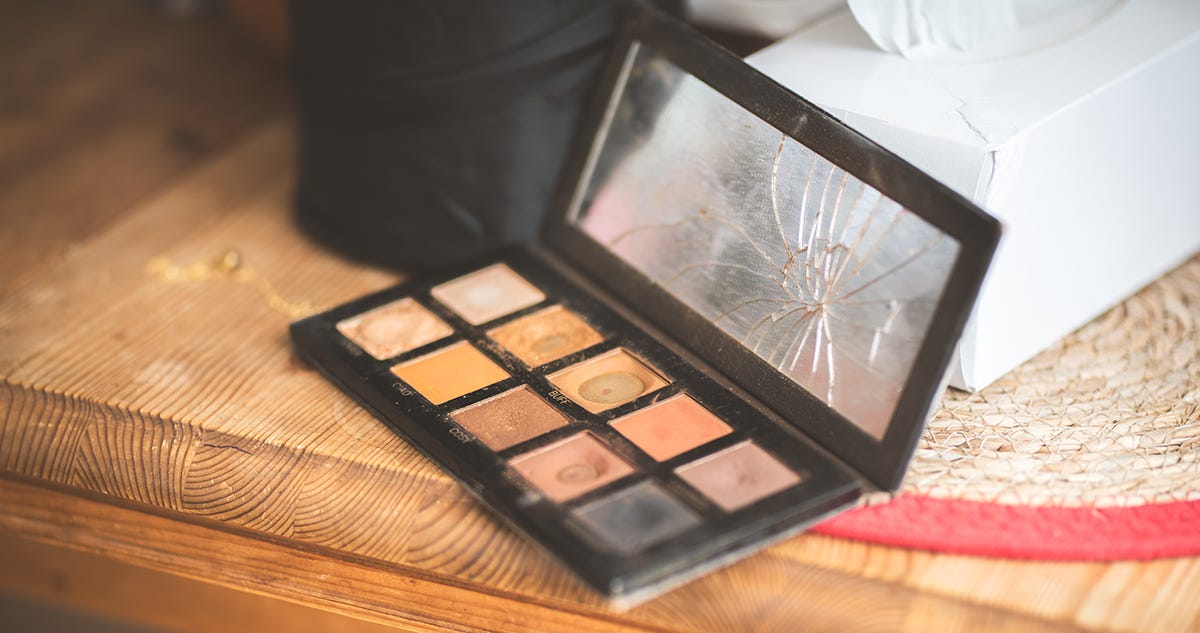
Anything stained is a no, especially the more intimate the stain is. No used mattresses or bedding. No towels or washcloths unless they’re new with the tags still attached. No broken or chipped glass, no matter how cool that mirror’s frame is. If you’d feel outrageously ripped-off paying money for this thing, don’t donate it.
NO: Maybe useful to someone but thrift stores can’t sell it
There might be some life left in these items, but they’re impossible for thrift stores to sell. We’re talking baby equipment like car seats and playpens, which these charities are not set up to make sure are in safe working condition. Same for safety gear like bike helmets and personal protective equipment. There might be other charities in your area that can pass these along to someone in need, or you could check local giveaway groups on social media.
Construction materials, fixtures, large exercise machines, weapons, and tools (especially with sharp blades) are also good candidates for selling or giving away to someone else, but thrift stores can’t do anything with them. Some electronics, too, although chances are that old fax machine and flip phone need to go to the recyclers. Oh, and no thrift store wants fixer-uppers - they don’t have some workshop in the back to bring that broken lamp back to life - but you might find a taker in your community.
TRIPLE HELL NO: Anything vermin-infested
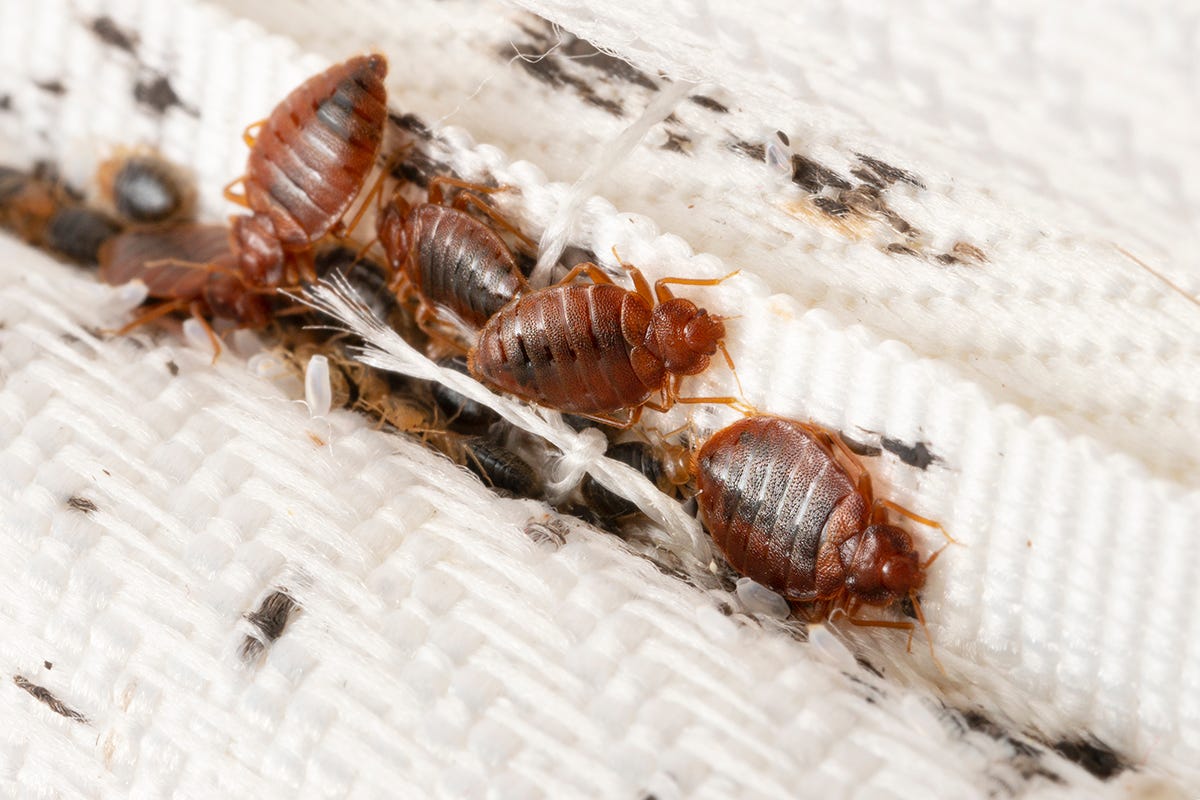
(Trigger warning: EWWWW!) I’m mentioning this story just to show that bad donations can do much more damage than waste a volunteer’s time. Last month, a thrift store volunteer in Daylesford, Victoria, Australia opened a bag of donated items and was immediately set upon by a swarm of mature bed bugs. “She didn’t even get a chance to put her hands in the bag when they ran up her arm,” another volunteer said. “She’s traumatised and has bites everywhere.”
The shop had to destroy most of their stock and pay to have the entire building professionally cleaned, raising fears it might have to go out of business altogether. Locals raised AU$14,000 to keep the shop open, but that’s AU$14,000 that could have been used for something else. Whether the donor was just oblivious, or some horrid little shit with a moronic sense of humor, the effect is just as devastating. Don’t be that guy.
MAYBE: Check the store’s guidelines
There are some variations in what stores will accept. Some take magazines, some don’t. Some love getting furniture donations, others don’t have the floor space. Some will take certain appliances, others won’t. Stores that do take electronics often have age cut-off points. Check the store’s website for their rules, or call them up and ask. There’s no excuse for saying you don’t know.
YES: The good stuff
So then what’s left? The things that someone might conceivably buy. Clean clothes and accessories in good condition. Books and recorded media in good condition. Toys and sports equipment in good condition. (Notice a pattern here?) For kitchen stuff, clean and intact ceramic, metal, and glass items are always sought-after.
“We have a rule of thumb that we like to share with donors ... before they give something to Goodwill, they should ask themselves if the item is something that they would feel comfortable giving to a friend or neighbor,” Brendan Hurley of Goodwill told The TODAY Show. In your heart, you know the answer.
And don’t just leave it outside if the store’s closed
I know, I know, you’re tired of driving around with those bags in your car. You planned this drop-off trip and now you’ll have to change your plans. The store’s donation hours are so inconvenient. You’re trying to be generous, dammit! Who are they to dictate to you? They should be happy to get your castoffs under any circumstances!
Just stop. Doing this is the same as throwing a bag of trash out of your car window. Somebody’s going to have to clean it up, probably the volunteers who mostly staff these organizations. They usually can’t even resell any of it after it’s been left out in the elements. And as commercial entities, thrift stores have to pay for their trash collection and recycling.
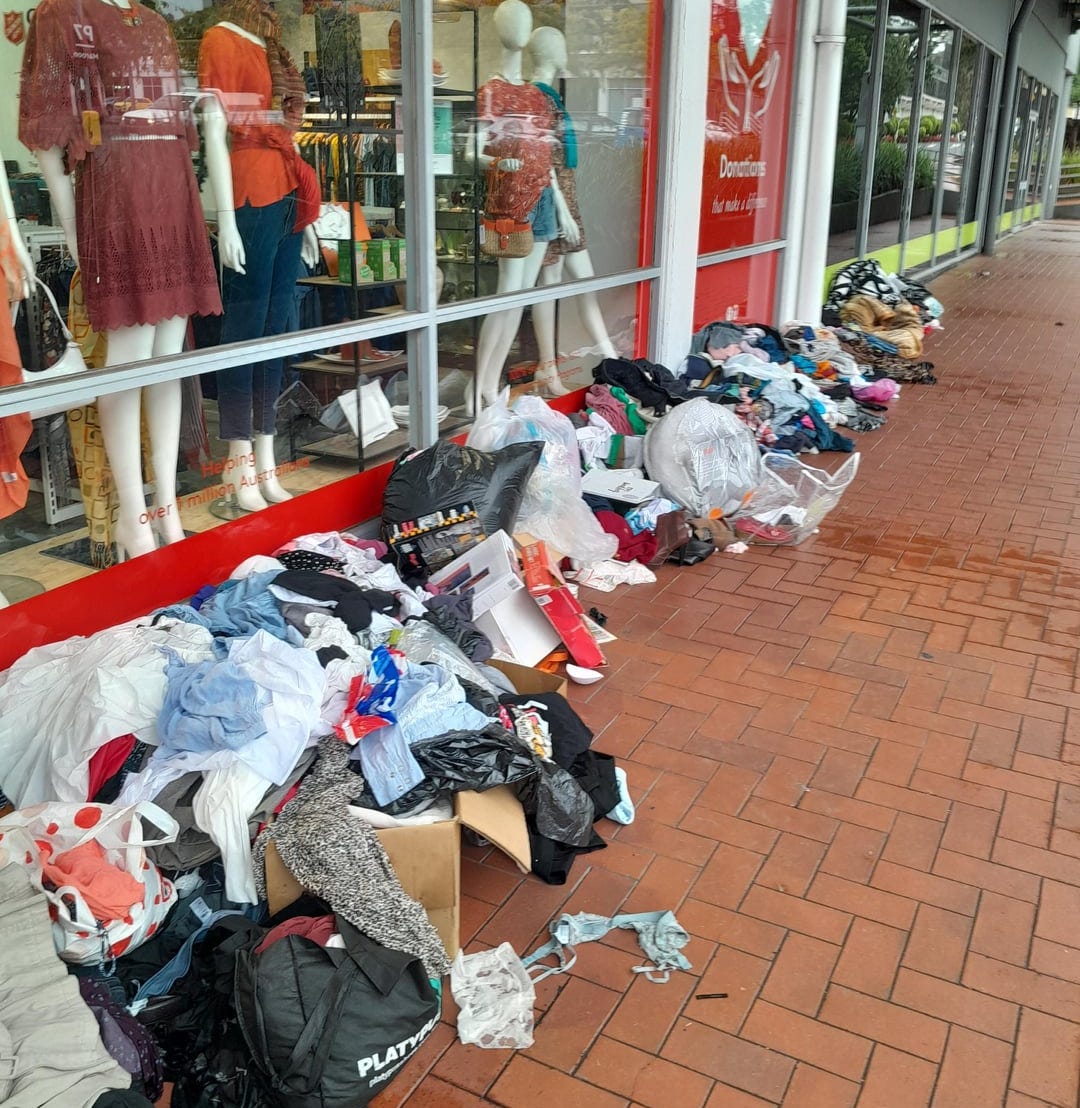
Donors “come in at 10:00 p.m. or in the middle of the night or run behind the store and drop off a ripped-up sofa,” said Rolf Halverson of Goodwill to KEPR-TV News. “And that adds weight to our trash. So they put the bill on us instead of them.” Not very generous after all, is it?
In an ironic twist, the same daughter of mine who put together that very mixed donation pile just started a volunteer job sorting donations at a thrift store. If my little lesson didn’t sink in, I’m sure it will soon. And maybe that’s why this issue suddenly feels personal to me: somebody’s son or daughter has to pick through all that stuff. Let’s try to make it easy on ‘em, huh?
Growing up I both donated things to the thrift stores and got school clothes from them. Oddly, not the same ones though - I wasn’t in control enough to know why, but presumably my mom had some distinct criteria for where the good stuff was. And then of course in my late teens and early 20s probably 75% of my ‘new to me’ clothes were found scouring the racks at the local Goodwill.
How about you? Any memories of either donating or getting stuff from thrift stores growing up? Let’s talk about it in this week’s Shoddy Goods chat.
—Dave (and the rest of Meh)
These vintage Shoddy Goods stories are guaranteed in new condition: