

Hey hey, Jason Toon here. I’ve never been much of a car guy. But in this Shoddy Goods, the newsletter from Meh about consumer culture, I flip through the back pages of a collateral automotive product I do have a soft spot for.
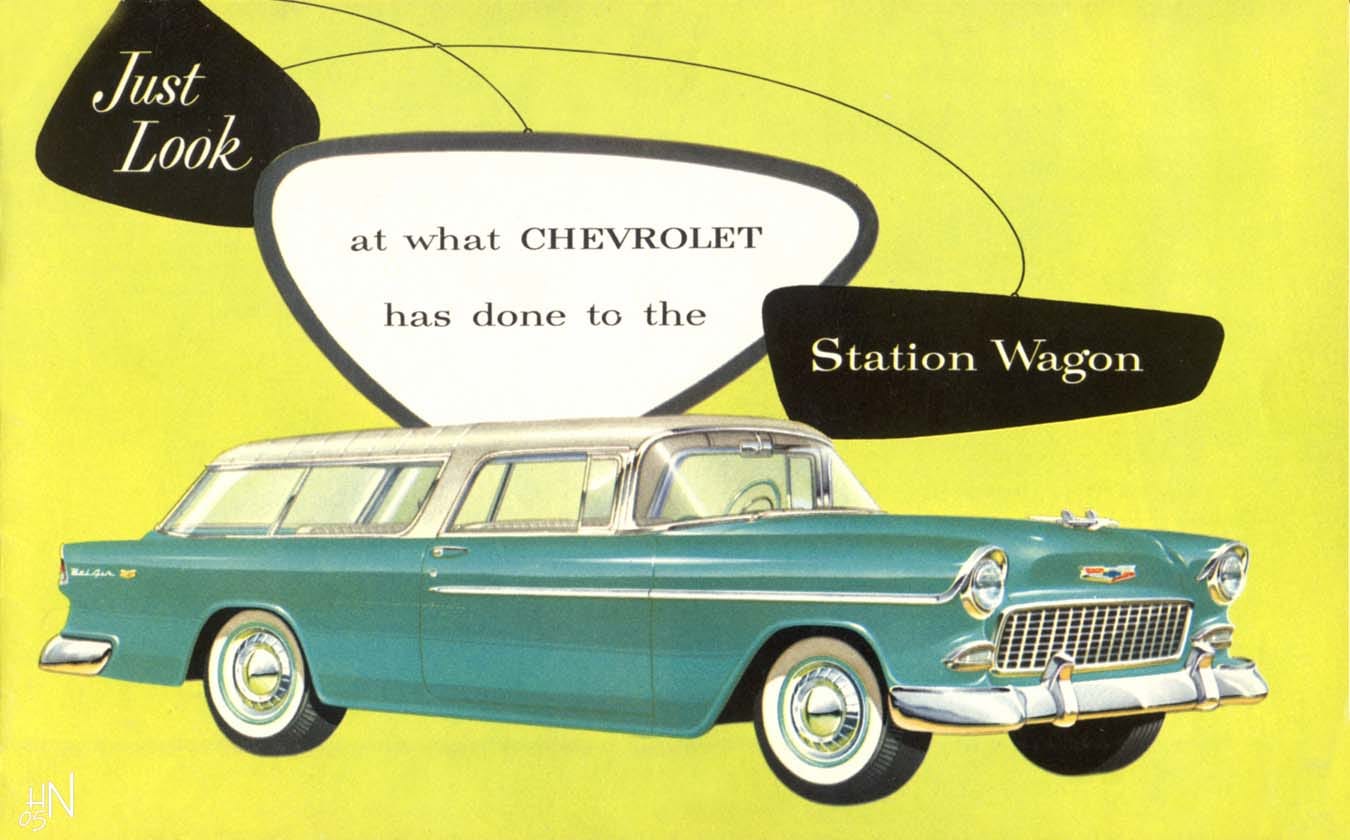
Last year I bought a car, which meant I spent time in car dealerships for the first time in years. And I noticed something there - or rather, something that wasn’t there: brochures. I don’t know why I was surprised. Like all the other paper ephemera of the 20th century, of course they’ve largely been replaced by websites, apps, and PDFs.
But I guess I thought anything as expensive as a car would still be sold with a premium-feeling piece of printed matter. When my dad sold cars in the early ‘80s, I remember leafing through a stack of brochures he’d brought home for various Toyota models. I didn’t really care about the cars. I was a sucker for the color-coordinated, collect-’em-all feel - an appeal I would later find in things where I also loved the content, like comic books and baseball cards.
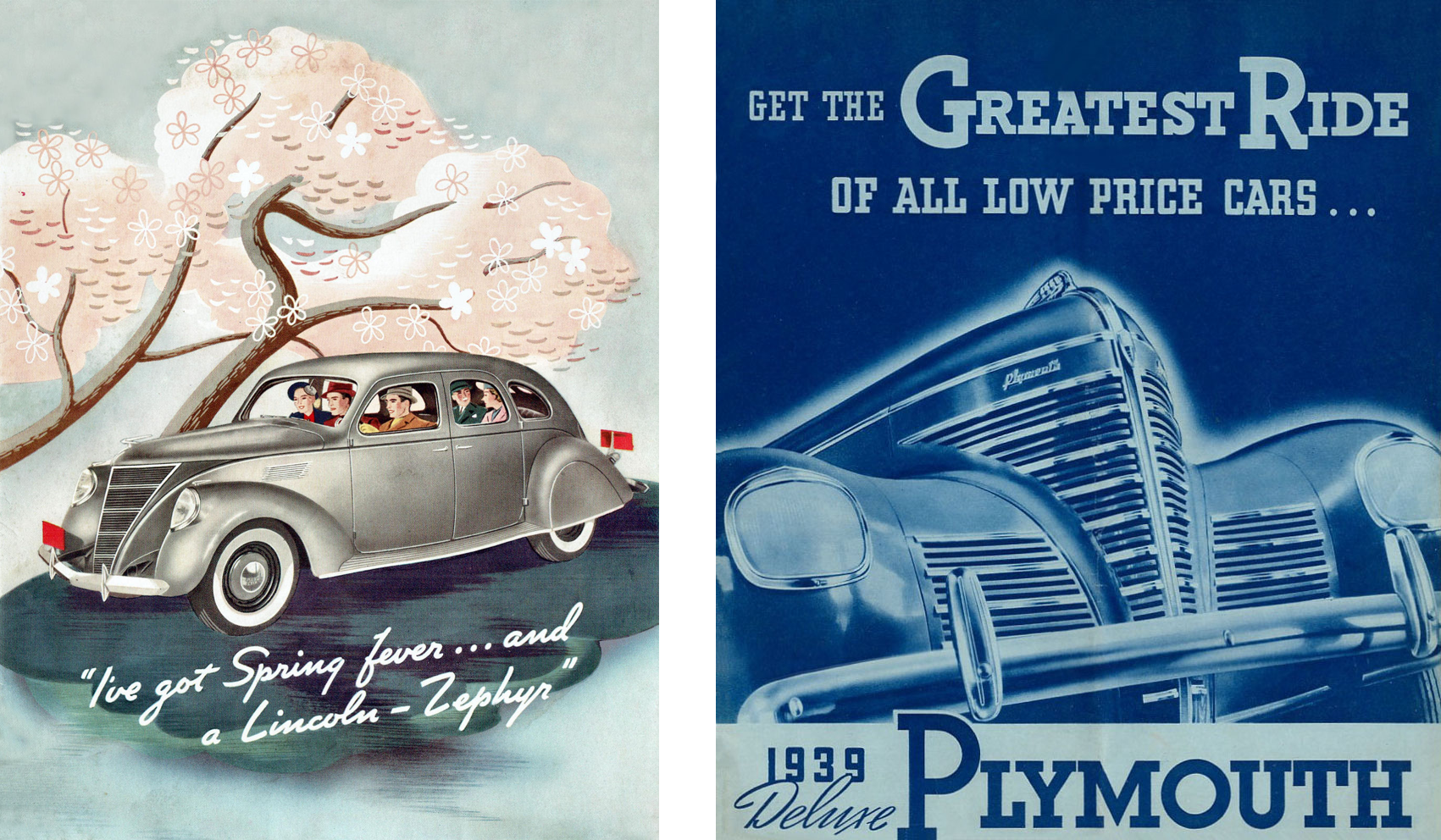
Such brochures tickled the collector-bone for a lot people, it turns out. A legion of amateur archivists is preserving the history of the car brochure digitally, right as the printed car brochure itself becomes history.
Ignition
The automotive brochure as we know it was a product of two trends. One was the development of mass color printing. which fell steeply in price and improved sharply in quality through the first half of the 20th century. The other was planned obsolescence in automotive design, which led to the concept of the model year.
The original car companies just made the same models for as long as they felt like it. The Ford Model T stayed basically identical from 1908 to 1927. And if automakers did make changes, they didn’t follow a schedule or necessarily even make a big deal about it. It wasn’t until the early 1920s that General Motors President Alfred P. Sloan introduced annual styling changes, with the rest of the industry following suit in the 1930s.
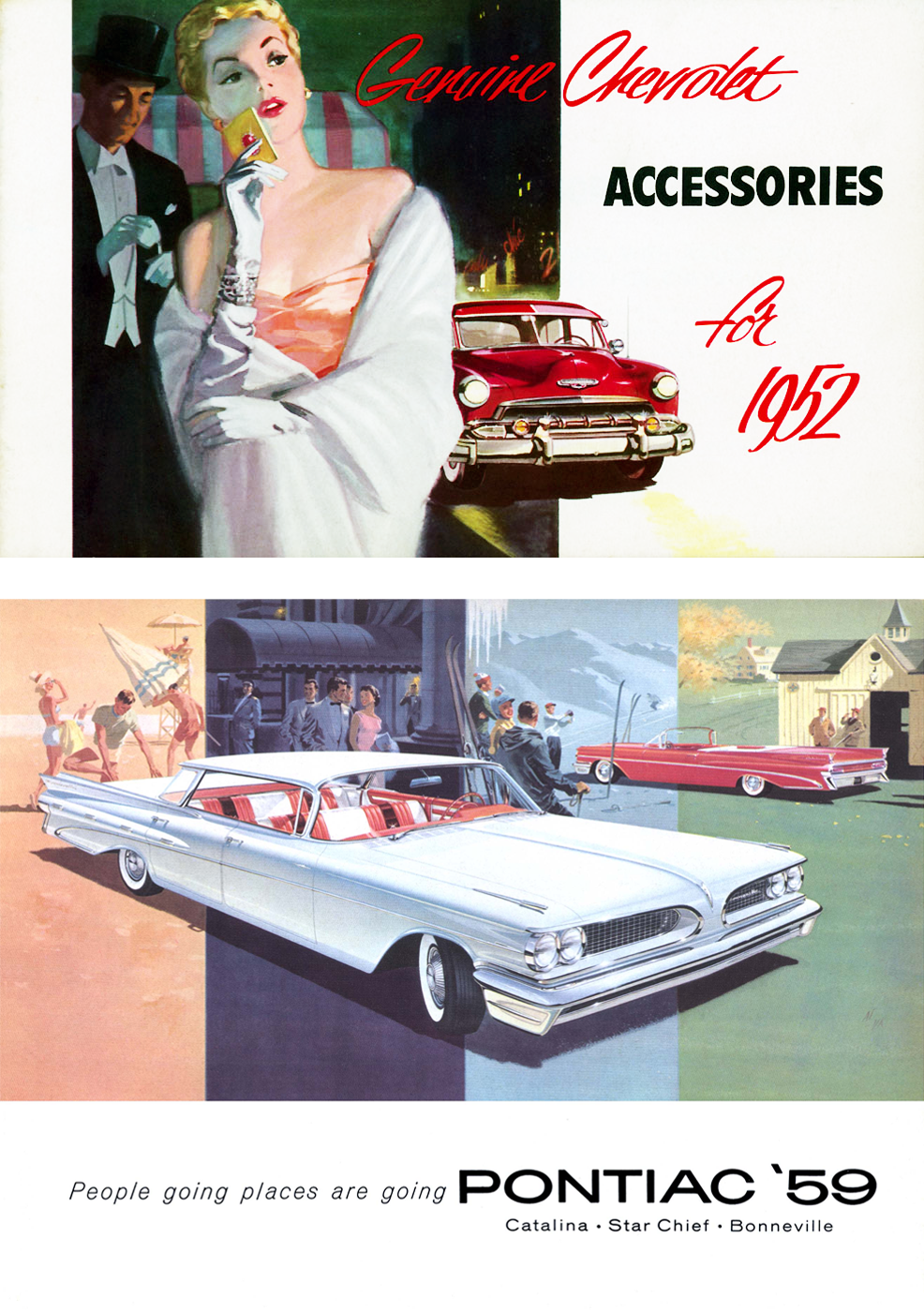
After the disruptions of World War II, the annual ad campaigns for each model year really began in earnest. How to drum up excitement around design and engineering tweaks that often ranged from minor to imperceptible? By wrapping them in a whole creative concept, from slogans to visual aesthetics, as different from last year’s campaign as the cars themselves were the same.
Into high gear
The 1950s is when car brochures became a fully integrated part of the companies’ annual ad campaigns. If a magazine ad or a TV commercial lured you into a dealership, you could take home a brochure with the same look and sales pitch. GM’s head start meant theirs were the most elaborately produced at first, but other manufacturers soon caught up.
Honestly, it’s hard to find a car brochure from the ‘50s or ‘60s that isn’t at least charming, and often spectacular. These were treated with the same seriousness as the rest of the companies’ advertising, with elaborate photo shoots or artwork by the premier commercial illustrators of the time. I could have included ten times more in this post that all look as good as these.
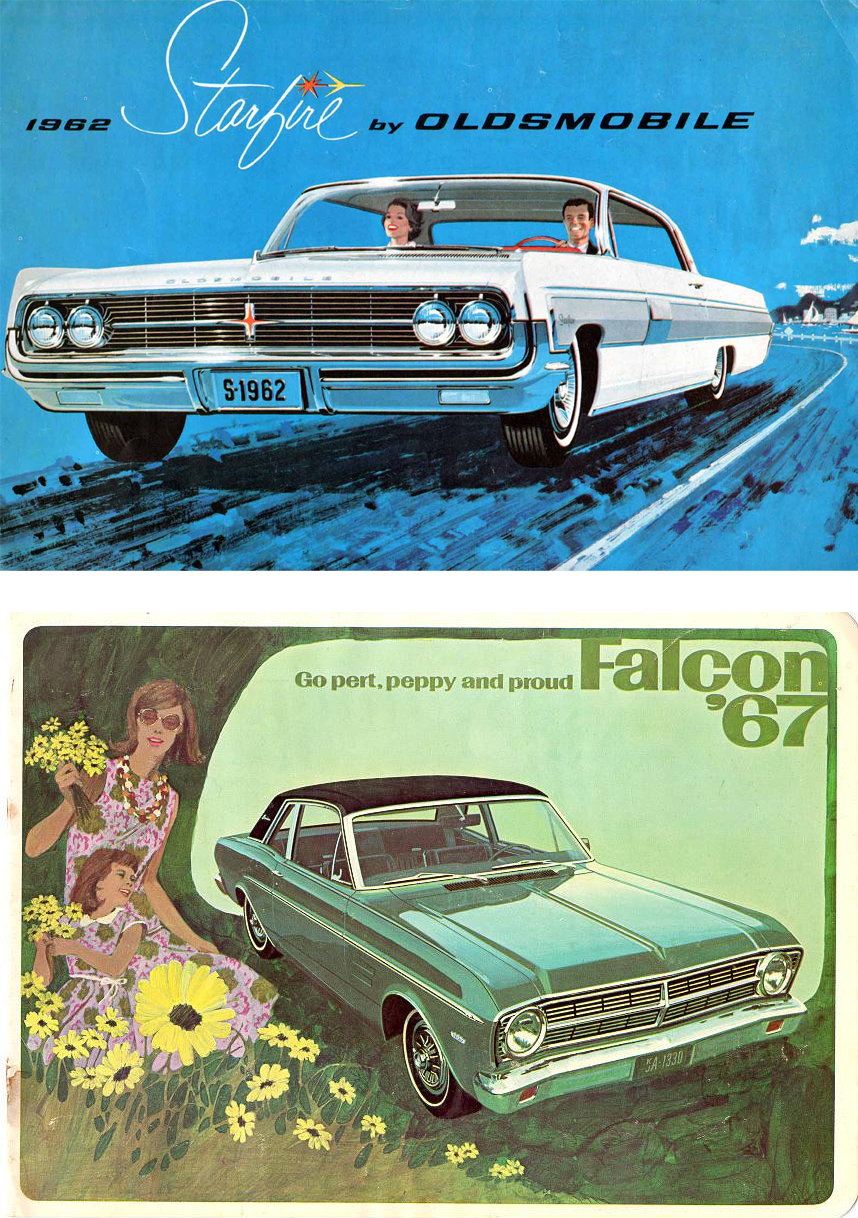
Aesthetics changed quickly - that was the whole point - but the form itself remained remarkably stable, decade after decade. Even if a luxury manufacturer like Ferrari or Rolls-Royce might dress theirs up with a hard cover and premium paper, at heart, the car brochure stayed itself: a couple of dozen pages of a marketing story, with slick graphics and spec details.
End of the line?
Then came the Internet. As of 2026, auto manufacturers do still produce brochures, but distribute them almost entirely as PDFs. It’s extremely unlikely you’ll walk into a dealership and see them fanned out on a table. As with other casualties of the print wipeout, like paper maps and printed encyclopedias, you can probably get a paper brochure if you’re determined to. But there are going to be a lot fewer of them floating around for future generations to stumble upon.
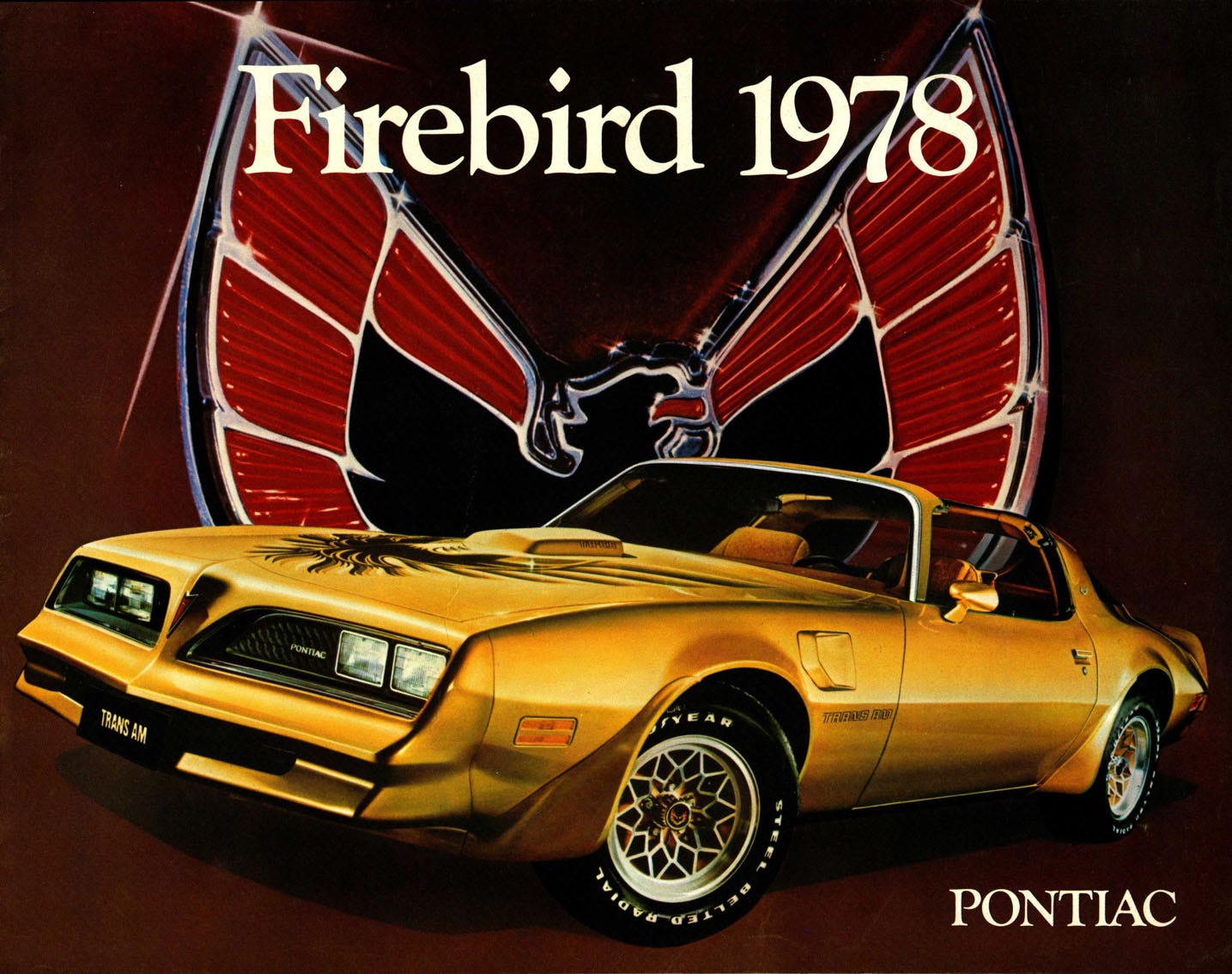
Because yes, there will be at least a few people among those generations who would enjoy that. There’s a healthy market in vintage car brochures on eBay, with particularly coveted ones trading hands for three-figure prices. And luckily for me, a few determined enthusiasts have assembled online collections like Love to Accelerate, the Old Car Manual Project, and the Auto Catalog Archive. Thanks to all of them for the images in this story. If you’ve read this far, you’ll enjoy losing yourself in those pages.
As for future retronauts digging for information about the cars of the 2020s? I hope someone somewhere is filling up a hard drive with all those PDFs the automakers are putting out now.
I had the cheesiest possible framed picture in my room. No, not my Paula Abdul picture, I'm still not embarrassed by that. It was a mansion on a hill with a garage that had a Lamborghini Countach, Ferrari F40, and Porsche 959 parked in it, above the words "justification for higher education." Ugh. Did you have any exotic cars or other luxury material possessions you dreamt of one day owning? Let's talk about 'em in this week's Shoddy Goods chat.
—Dave (and the rest of Meh)
These previous Shoddy Goods stories are also unavailable in print form… for now:
And if you like Shoddy Goods, don’t miss Jason’s new other newsletter, Gnomenclature. Every week he digs into the 178-year-history of Hammacher Schlemmer, America’s oddest retailer. It’s gonna get weird!
You'll notice that one of you links for 20th Century car ephemera is preserved on the Internet by a Norwegian.
And, like how Japanese aficionados had preserved and even overtaken the abandoned production of classic Americana workwear, there's an argument that Nordic people are the true inheritors of the Great American Car Culture. You'll never see so many classic American cars from the 1950s-1970s outside of rural Sweden or Norway, where cruising in them is the highlight of many a small town's summer weekends.
Certainly part of the reason that American things can be so coveted on the other sides of the earth is how adept Americans were at that other venerable American tradition: advertising!
But the romance of the Classic American Car isn't extended to those cars produced in my lifetime. For one thing, they just got a lot uglier and more mediocre after the oil shocks of the 1970s led to the Malaise Era. But arguably another thing that shifted: the ads are just not nearly as good!
And it wasn't just ads. The whole ecosystem of American pop cultural production reinforced how cool these cars were. When's the last time a movie or TV show really highlighted an iconic American car the same way they did throughout the Mid-20th Century? The Ghostbusters Car was cool because it was already a vintage classic by 1984: the (rare) 1959 Cadillac Miller-Meteor Sentinel. The DeLorean DMC-12 of 1985's Back to the Future was both iconic and very 80s, but it was the exception that proves the rule. 1980s car culture belonged to European supercars and newly-desirable Japanese imports. And the 1990s weren't much better for American automotive cool, Dodge Vipers and Chrysler Corvettes exempted. What American cars will endure from the 2000s and since?
Today, American *Car* Culture can't even exist in the same way because American manufacturers basically only make trucks, anymore. And you do see the occasional (extremely expensive) imported American pickup trick thundering over Scandinavian highways as a counter-cultural message every bit as potent (and maybe a bit obnoxious) as the muscle cars of the 1960s and absurdly-finned and elongated land yachts of the 1950s were then. But with nowhere near the ubiquity of the Classic Car. Maybe it's also just a phase-shift in what a car *means* now? It's just not modernity, sex, and freedom all boiled into one machine quite the same way.
My dad used to get a new car every year or two through his company due to the miles he put on them. I remember him coming home after an afternoon of hitting the local dealerships, car model brochures under his arm. His company usually gave him the choice of about a half-dozen models from a couple of different makes, and he would have brochures for all of them. I went through them like they were comic books (and definitely made my choices known)!