

I’ll be honest: when I started it two years ago, I wasn’t sure Shoddy Goods, the newsletter from Meh about consumer culture, would make it to issue 100. But now it feels like we’re still getting started. Jason Toon here, welcoming you to the party (which is pretty much just me talking at you a lot).
When I started Shoddy Goods, it felt like pure hubris to use three-digit issue numbers. Surely the gods would take umbrage and smite me for daring to suggest my little newsletters might someday number in the hundreds. Could I stick with it that long, week-in, week-out? Were there even enough story ideas to fill a hundred issues?
Well, here we are. To mark the odometer flip - and maybe turn you on to some past stories you missed - here are ten things I’ve learned over the past couple of years rummaging around in our collective cultural overstock closet.
You never know where a story will take you
It’s a cliché for a reason. An old radio commercial for a self-rocking crib led me to the tale of a silver-mine swindle. The etymology of the word “maven” uncovered my new favorite copywriter of all time. Some swingin’ Sixties music videos drew me into the world of the mafia and Roy Cohn. And somehow the Three Stooges pop up in stories about both King Vitaman and National Pickle Week.
Ultimately, everything leads to everything else. As on James Burke’s still incredible TV show Connections, any of these stories could’ve taken me just about anywhere. It was up to me to draw the line where this story ends and another begins. Which means…
Most of this job is editing
Every week, I gather my material, outline the story, sketch in the intro, and foolishly think the end is in sight. Only then do I remember I still have to take that raw material and chip away all the parts that aren’t the story, to get it down to a length that your Inbox won’t choke on. That’s when the real work starts. And it hurts!
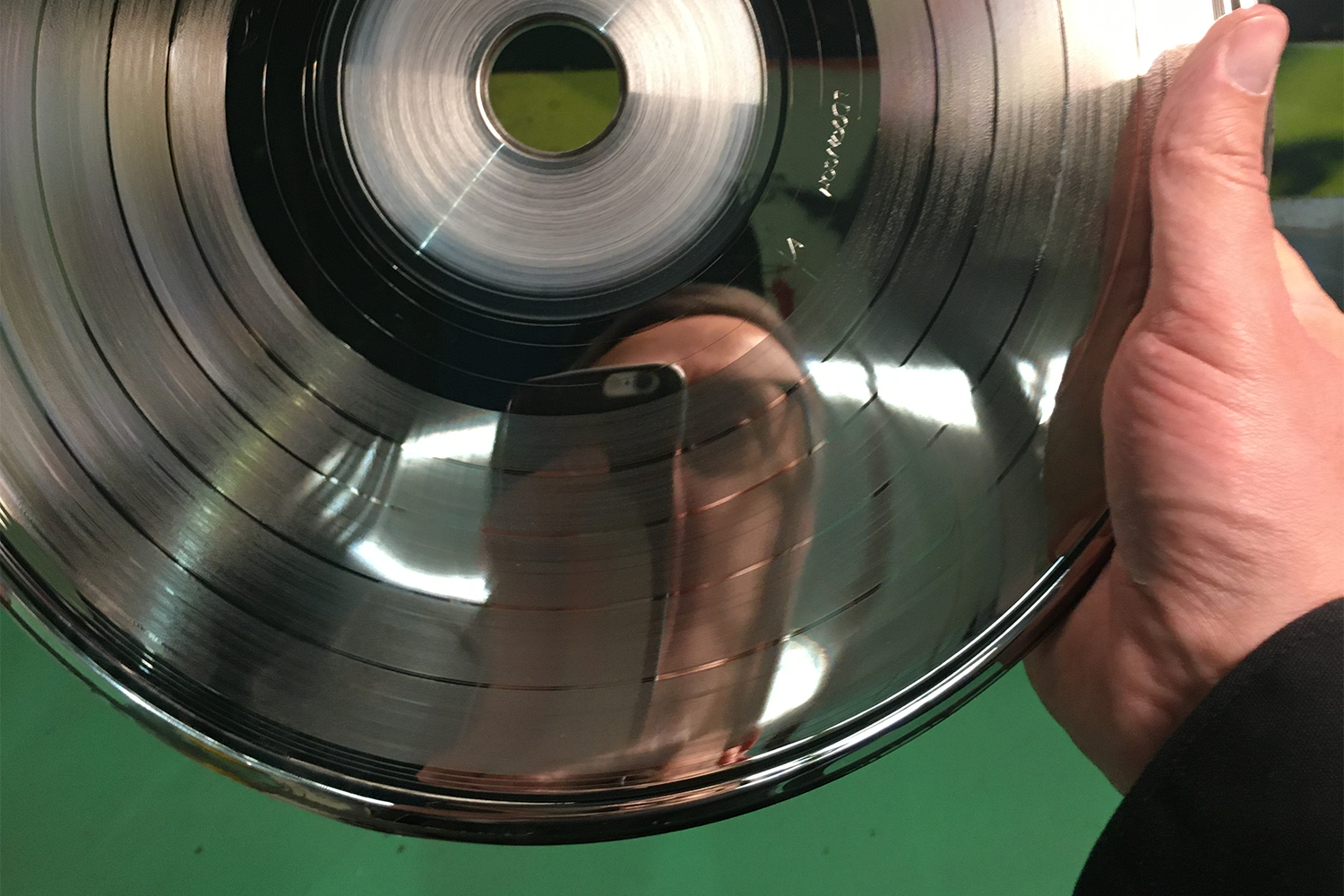
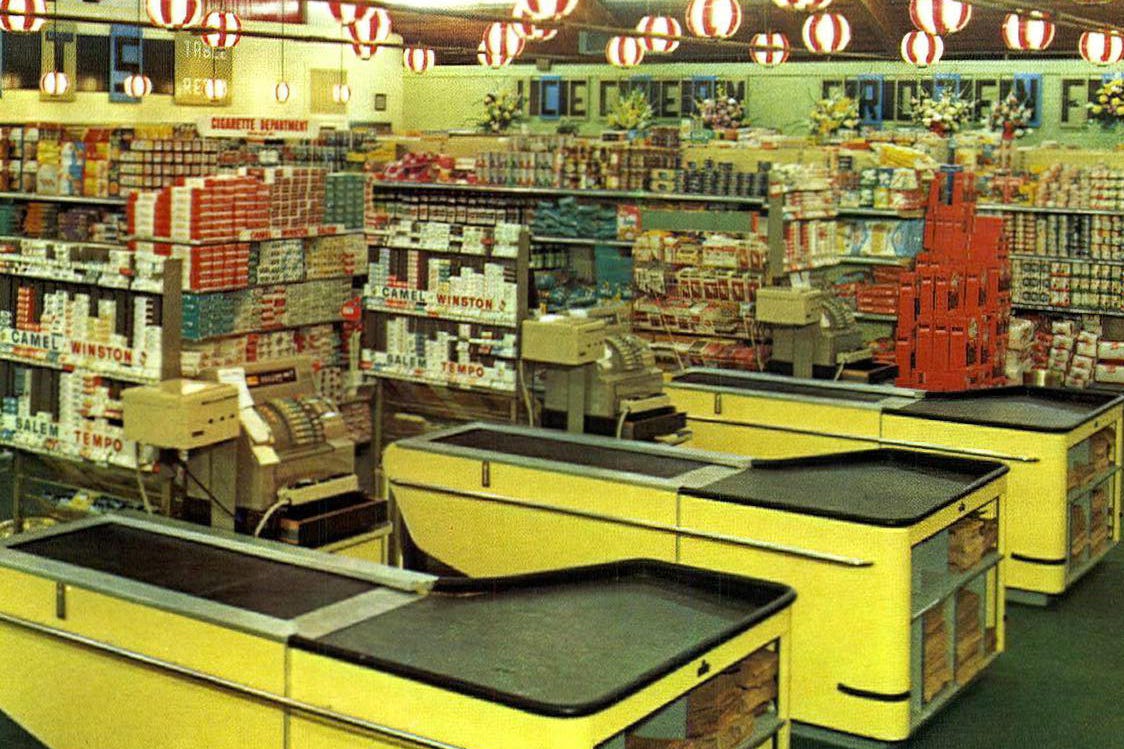
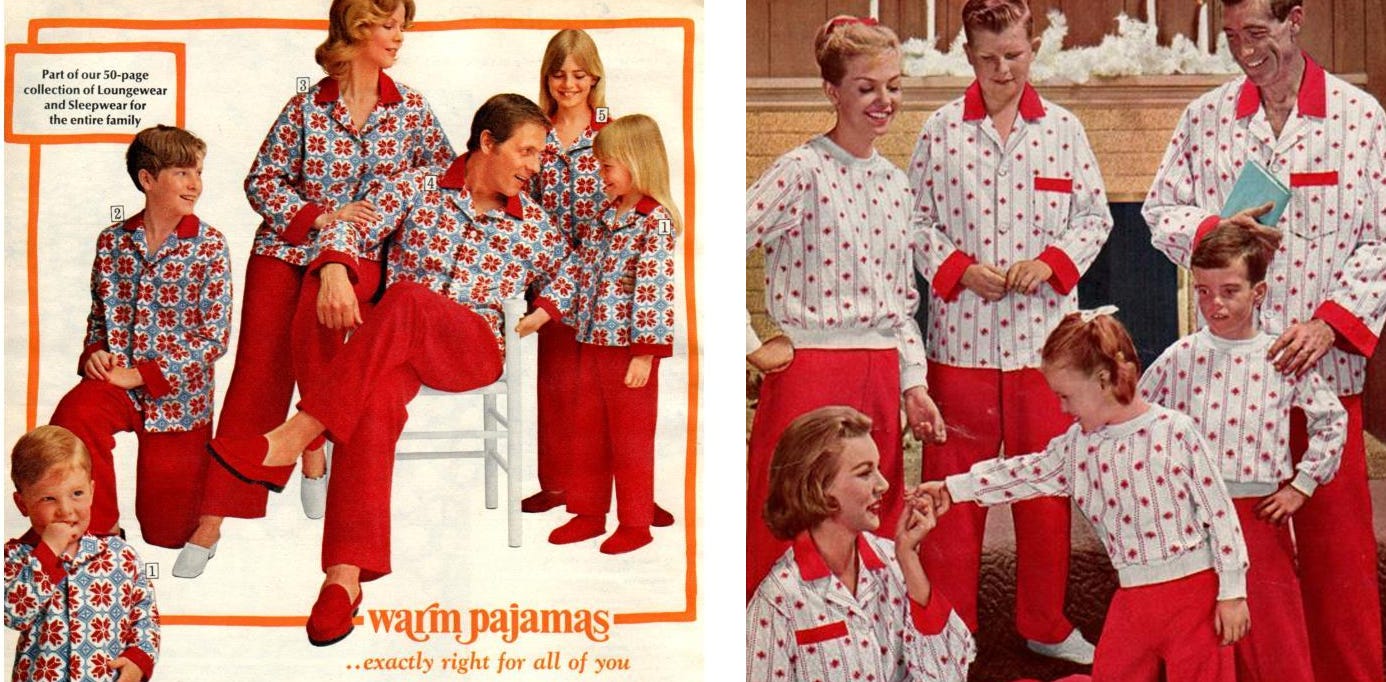
There’s never, ever room for all the good stuff. I’ve conducted engrossing half-hour interviews where I only wound up being able to include a few sentences. I’ve had to narrow a story’s focus on the fly because there just wasn’t room to do justice to the original idea. I’ve left fascinating digressions on the cutting-room floor. The images in this week’s issue are all outtakes from past stories. Believe me, there’s a LOT more where that came from.
There’s a wealth of material online, but nowhere near “everything”
I couldn’t do Shoddy Goods without the Internet Archive, and YouTube, and Newspapers.com, and the libraries, organizations, and magazines who’ve digitized so much of their archives. This is an extraordinary time to do research from your desk. But it gets my hackles up when people say analog material doesn’t matter because “everything is online now.”
That’s not even close to true for published books, only about 12% of which have been digitized, or feature films, an even smaller fraction of which are available to stream, rent, or buy online at any given time. So it’s even less true for the kind of throwaway ephemera this newsletter thrives on, from trade publications to candy wrappers. Fortunately…
Paper, vinyl, and tape will never die
I’ve been heartened by my conversations with people like Professor Jason Mittell and film critic Andreas Babiolakis (about whether there will ever be a new physical media format), and record-pressers Steve Lynch, Alex Stillman, and Sarah Pette (who are behind some of the new wave of vinyl plants), and Tom Evans (editor of the last print encyclopedia). Don’t start digging that grave for physical media just yet.
The more digital “everything” gets, the more important it is to reach beyond what’s already available online. I regularly use books to research these pieces, I’ve started buying old paper material from eBay, and I’m looking into the world of in-person research at real archives. The obsessive fans, packrats, and artisans who stubbornly keep “obsolete” media alive are a gift to cultural history.
Experts like to share their expertise
People who work hard to amass knowledge and create things also tend to enjoy sharing what they know. All you have to do is ask. The ones I mentioned above are only the beginning. From the maverick genius of Soviet advertising to the designer of the world’s cutest card games, from two of my favorite music writers to my former Woot colleague turned travel rewards expert, Shoddy Goods has been immeasurably enriched by the generosity of our interviewees.
Special thanks go to Dr. Arianna Dick of the Royal Melbourne Institute of Technology, who graciously helped me twice for stories about the lack of sugar-free candy and the future of 3D-printed food (along with her students). There are so many experts out there with stories to tell, waiting for someone to ask. If you want to do your own newsletter or podcast or whatever, just find some experts in something you’re interested in, and start asking.
For some people, commerce is an art form
Cards on the table: I’m an extreme skeptic of consumer capitalism, and even more skeptical of the over-veneration of entrepreneurs and executives. The system is way out of whack in their favor, in terms of both material rewards and social power, and correcting that imbalance is essential if the world’s current mess of other problems will ever be solved.
But just as you don’t have to be Catholic to see the beauty in the Sistine Chapel ceiling, I can recognize that in a commercial age, commerce is the vehicle for a significant number of talented people to express their urge to create. Stories like Orville Redenbacher’s quest for the perfect popcorn kernel and Keene Dimick’s invention of the exercise bike capture that restless visionary impulse that any artist will recognize.

Advertising is a powerful but cracked lens
I always chuckle when somebody on the Internet posts an old ad depicting some idealized ‘50s scene, and calls on us to “bring this back.” My brother in Brylcreem, that shit ain’t real. But then neither are fairy tales, superheroes, or jokes. They can still tell us a lot about the values and assumptions of their time.
Admen put a lot of effort and money into understanding what would move their audience, and those insights are embodied in the ads. Old ads can also shed light on the commercial calculations that went into creating phenomena that have lasted into our time, from chronic halitosis to the coffee break. And they’re great-looking ways to break up the visual monotony of a 1500-word newsletter, heh.
Don’t believe everything you read
Peanut butter kisses were not invented by the Mary Jane company and Hallmark did not invent wrapping paper, even though Google AI says otherwise. The Oxford English Dictionary traces the term “cough drop” back to 1851; I found “cough drop” in newspapers back to at least 1798. And I recently read a novel that I loved, set in the 1940s, where a character uses the term “training wheels” - alas, training wheels weren’t invented until the 1950s.
I’m not a “do my own research” type. But finding these tidbits is always a fun reminder that the conventional wisdom doesn’t know everything, and there’s always more to discover.
You (almost) never know what stories will be hits
I’m grateful for any readership and proud of all our stories. But when I look at our most popular issues, I notice they don’t overlap much with my favorites. I really thought the LEGO legions would flock to the story of LEGO by Samsonite. I expected the gruesome mystery meats of failed Spam imitators would draw a crowd, and that the ‘80s kids would line up to celebrate 50 years of the Big Gulp, remember the Great Fruit Scares of 1989, and reminisce about how the color of the ‘80s was brown. Shows what I know!
There’s one high-ranking story that I was pretty sure would find an audience, though: my mini-memoir of working at Woot. For whatever reasons, people are still interested in that time and place. Yeah, me too.

There are enough stories for infinite newsletters
The more stories I find, the more I realize how many more stories are still out there for to me find. Maybe my real mistake was not adding a thousands digit to the Shoddy Goods issue numbers. I’ll get back to you about that in 2043.
Huh. Wow. One hundred issues! Those of you who have been getting ’em all, got any favorites? Anything you learned or that led you to dig into something you hadn’t before? While we’re at it, any thoughts on something you’d love to see covered in the next 100? Let’s hear about it in this week’s Shoddy Goods chat.
—Dave (and the rest of Meh)
After all that, as if anyone needs more links to previous Shoddy Goods stories:
And if you like Shoddy Goods, don’t miss Jason’s new other newsletter, Gnomenclature. Every week he digs into the 178-year-history of Hammacher Schlemmer, America’s oddest retailer. It’s gonna get weird!
This was a great article! Congratulations on 100! Also - that is EXACTLY what my check stand looked like when I worked at Safeway in the late 1960's. Yep - I'm an old grandma fan of yours!!!
I love the newsletter I think I have all but 4 of them saved. Don't ask me why they are and aren't, except I'm a Mediocre Meh aholic! Congrats, Jason and Dave!